What it feels like
Rancho Queimado is a very small town in the hills west of Florianópolis. The town sits at about 810 m, and the IBGE census counted 3,279 people in 2022, which makes it the smallest town in this section by far.
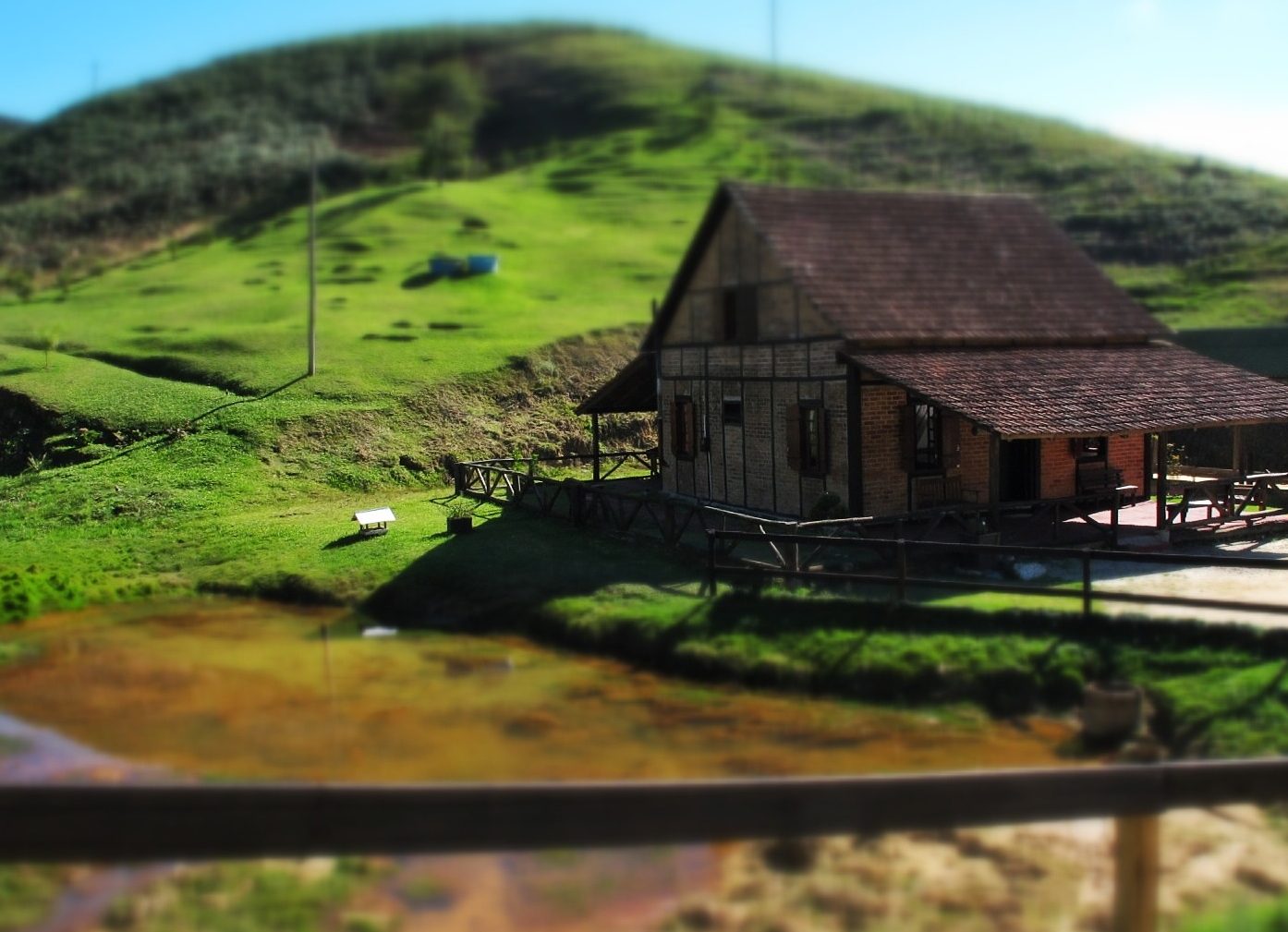
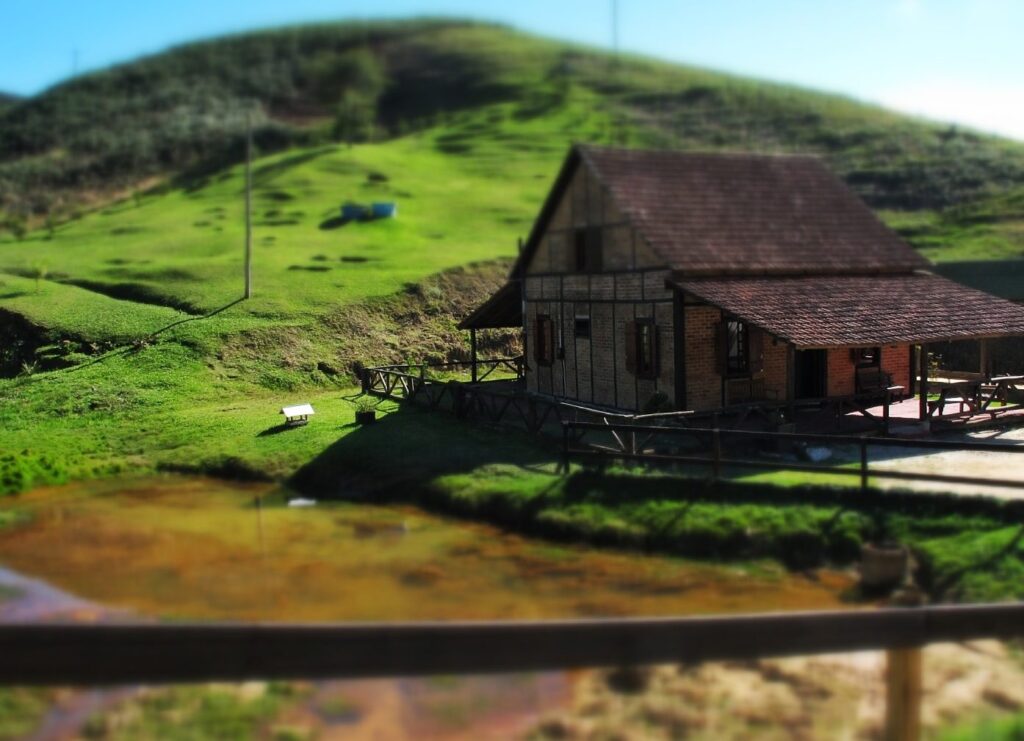
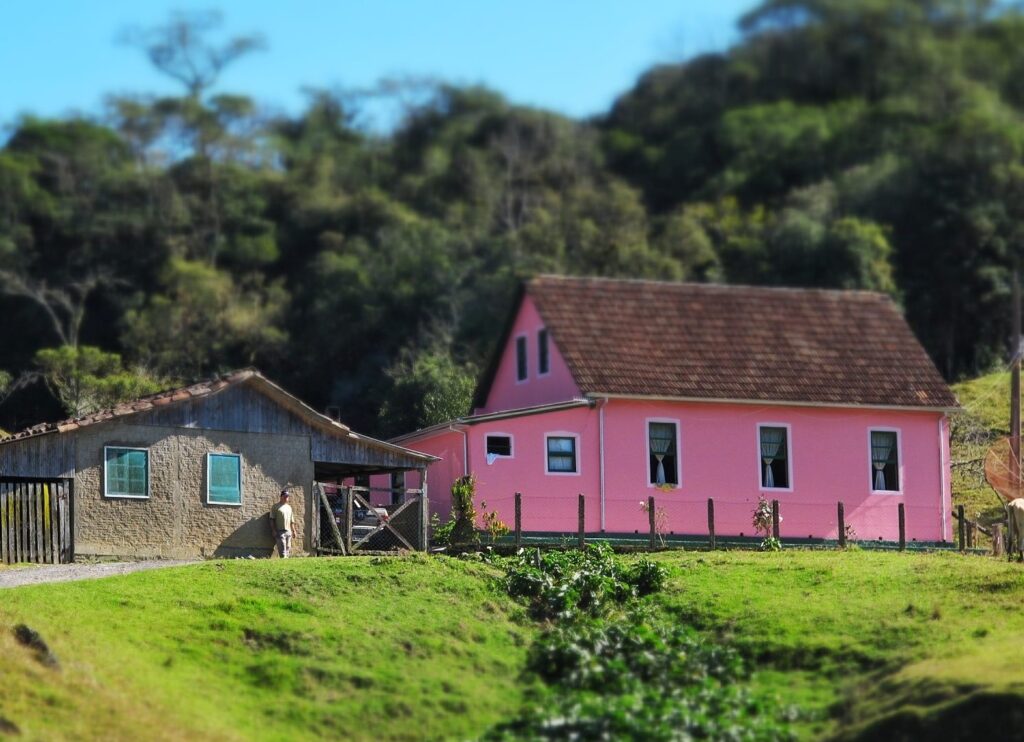
It is a place of green hills, pasture, forest and country houses. It is popular with people from Florianópolis as a weekend and holiday retreat, away from the heat and the summer crowds on the coast. The town says there are more than 400 country houses in residential condominiums in the municipality.
It is quiet, rural and close enough to the capital to be practical.
.jpg)
Where it is and how it connects
Rancho Queimado is on the BR-282, the main road from Florianópolis to the interior, about 60 to 65 km from the city. That makes it one of the closest mountain towns to the capital, roughly an hour’s drive from the island in normal traffic (our estimate).
Florianópolis is where residents go for hospitals, big shopping and the airport. FLN is roughly 1 hour 15 minutes away (our estimate).
The BR-282 continues west to Alfredo Wagner, Bom Retiro and the Serra, so Urubici is within reach for a longer trip.
Climate
The municipality gives summer temperatures of about 17 to 22 °C and winter temperatures from about −5 to 12 °C. In practice, that means fresh summers, cold winter nights, and frost on some winter mornings. It is not as cold as the high Serra around Urubici, but it is clearly a different climate from the coast.
Strawberries, festivals and history
Rancho Queimado is known as the “Capital Catarinense do Morango”, the strawberry capital of Santa Catarina, according to the state tourism office. The Festa do Morango is held every November in the Taquaras district. It has run since 1992 and draws around 10,000 visitors. In July there is the Festa do Tropeiro, which celebrates the tropeiros, the drovers of the old inland routes.
Also in Taquaras is the Casa de Campo do Governador Hercílio Luz, the country house of the former state governor who gave his name to Florianópolis’s suspension bridge. It is now a museum run by the state culture foundation (FCC).
.jpg)
Golf and the outdoors
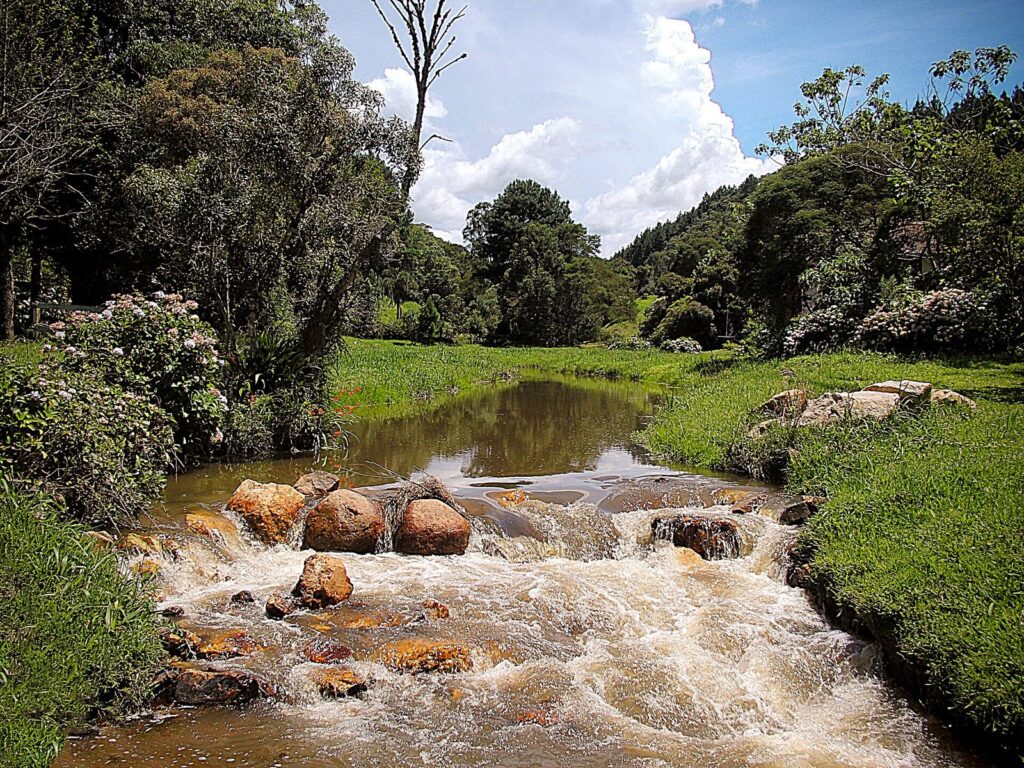
Rancho Queimado has a golf course, the Santa Rita Golf Club, a 9-hole course by the BR-282 that welcomes visitors with a booking. Otherwise, leisure here means walking, cycling, rivers, farm visits and long lunches.
Housing
Rancho Queimado is not covered by the FipeZap index, and we have not found a reliable, dated average price per m². The market is mostly country houses, plots in residential condominiums, and rural properties. There are no apartment towers.
Check whether a plot is urban or rural, and whether a condominium is properly registered. Both affect what you can buy and how (see below).
Day-to-day life
Services in town are basic. The municipality runs basic health units in the centre and in Taquaras, but there is no hospital in Rancho Queimado. For hospital and specialist care, residents go to Greater Florianópolis. In an emergency, call SAMU on 192.
For bigger shopping, schools beyond the local ones and most services, you drive towards Florianópolis.
Getting around
You need a car. The BR-282 is a busy highway with heavy trucks, and it winds through the hills, so allow time and take care, especially in fog or rain.
The seasons
Weekends and holidays are when the town fills up, especially in the colder months and during the festivals. During the week, and outside the festival months, it is very quiet.
.jpg)
How it compares with Balneário Camboriú
Lifestyle. BC is a beach city with apartments, restaurants and a busy seafront. Rancho Queimado is a tiny rural town of country houses. Most people who buy here use it as a second home.
Climate and altitude. BC is at sea level with mild winters and hot summers. Rancho Queimado is at about 810 m, with fresh summers and cold winter nights.
Seasons. BC peaks in summer. Rancho Queimado is busiest on weekends, in the colder months and during its festivals.
Cost of housing. BC averaged R$ 15,369 per m² in September 2026 (FipeZap). There is no FipeZap figure for Rancho Queimado, and the property is different (houses and land, not apartments), so we cannot compare like for like.
Infrastructure. BC has the services of a mid-sized city. Rancho Queimado has very few; most services are in Greater Florianópolis.
Healthcare. BC has hospitals in the city. Rancho Queimado has basic health units only; hospital care is in Greater Florianópolis.
Airports and drive times. From Rancho Queimado, FLN is roughly 1 hour 15 minutes (our estimate) and NVT roughly 2 hours 30 minutes (our estimate). From BC, FLN is about 87 to 94 km (1 hour 15 to 1 hour 20) and NVT about 35 km (around 40 minutes). Rancho Queimado itself is roughly 140 km from BC, around 2 hours by the BR-101 and BR-282 (our estimate).
Choose Rancho Queimado over BC if you want a quiet country house, cooler weather and space, within reach of Florianópolis.
Choose BC over Rancho Queimado if you want to live full time with the beach, services, schools and hospitals close by.
Living here
Rancho Queimado suits people who want a weekend or second home in the hills, often with a main home in Florianópolis or on the coast. It also suits people who work remotely and want a rural life near the capital. It suits less well people who need services and healthcare on the doorstep, or who do not want to drive.
Pros and cons
Pros: Close to Florianópolis for a mountain town; Fresh summers and real winters; Quiet, green and rural; Festivals and a golf course.
Cons: Very small, with few services; No hospital in town; The BR-282 is a busy truck route; No reliable public price index.
Buying from abroad: the basics
Foreigners can buy urban property in Brazil in their own name. You will need a CPF, the Brazilian tax number, which you can request through a Brazilian consulate before you travel.
Rural property is different. Purchases of rural land by foreigners are restricted by federal law (Law 5,709 of 1971) and can need approval from INCRA, depending on the size and the buyer. Many country houses here are on land that may be rural, so take specialist legal advice before you commit.
Before signing anything, have an independent local lawyer check the property’s registration (the matrícula at the Cartório de Registro de Imóveis), any debts on it, environmental restrictions, and, in a condominium, that it is properly registered.
On purchase you pay a transfer tax (ITBI) to the municipality, plus notary and registry fees. After that there is an annual property tax (IPTU) for urban property, or the federal rural land tax (ITR) for rural land, and condominium fees where they apply. Ask for the current figures for the specific property.
Money sent from abroad should go through a bank or authorised exchange channel, and be documented, so it can be sent back later.